
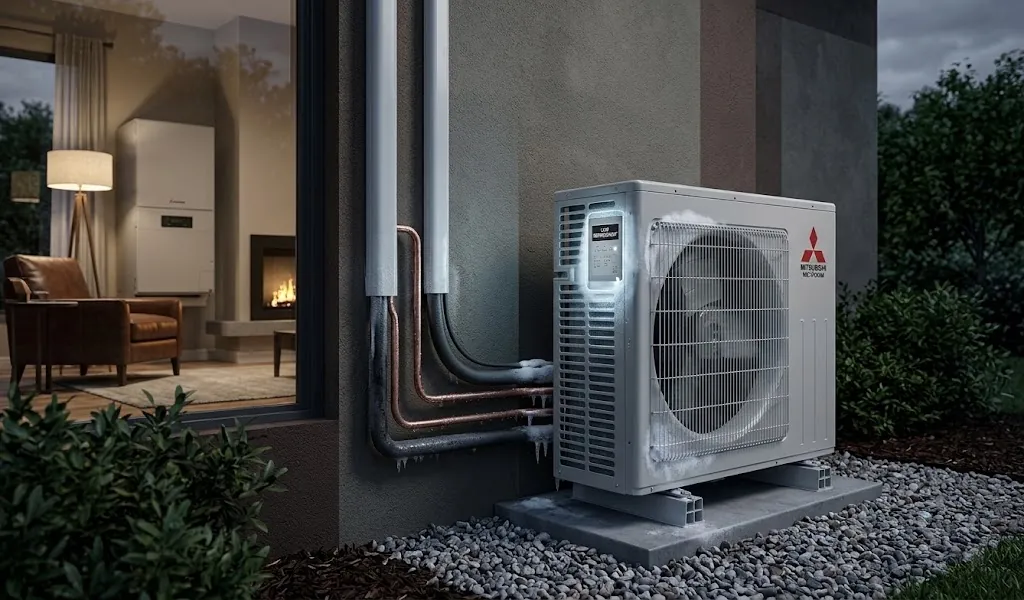
Refrigerant is the substance that carries heat out of your home. When an air conditioner is low on refrigerant, it cannot cool well. Many homeowners think refrigerant gets used up like gas in a car. It does not. At Speed Air and Heating, we know that understanding why an AC runs low on refrigerant can help you avoid repeat problems and make better repair choices.
Key Takeaways
- Since the circuit is sealed, the amount of refrigerant should not change over the life of the system.
- If refrigerant is low, there is almost always a leak.
- EPA rules say anyone who works with refrigerant needs certification under Section 608 of the Clean Air Act.
- The EPA ended production and import of R-22 in 2020, so supplies are limited.
- Starting in 2025, new residential systems began moving to newer refrigerants with lower global warming potential, such as R-454B and R-32.
How Refrigerant Works
Inside your system, refrigerant travels through a closed circuit of coils and copper lines. At the indoor evaporator coil it picks up heat from your home, and outside at the condenser it lets that heat go. The compressor is what keeps it flowing. Since the circuit is sealed, the amount of refrigerant should not change over the life of the system.
Why an AC Gets Low on Refrigerant
If refrigerant is low, there is almost always a leak. Common leak points include:
- Evaporator coils, which can develop tiny holes over time
- Copper line sets
- Service valves and fittings
- Brazed joints
- Condenser coils exposed to salt air
In some cases, a system may have been undercharged when it was installed. But leaks are the most common cause.
Signs of Low Refrigerant
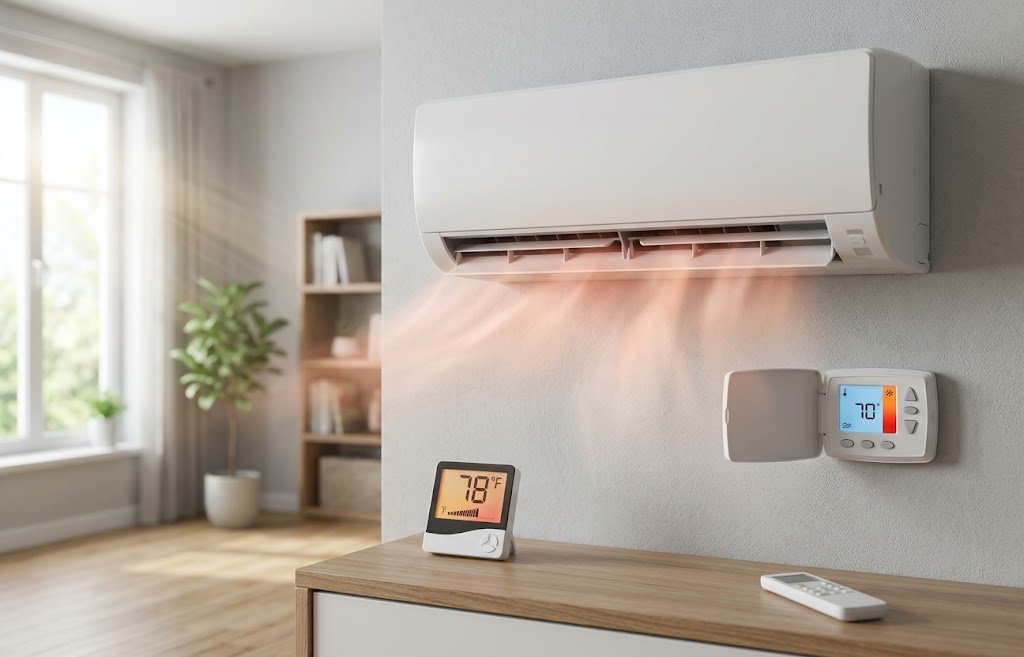
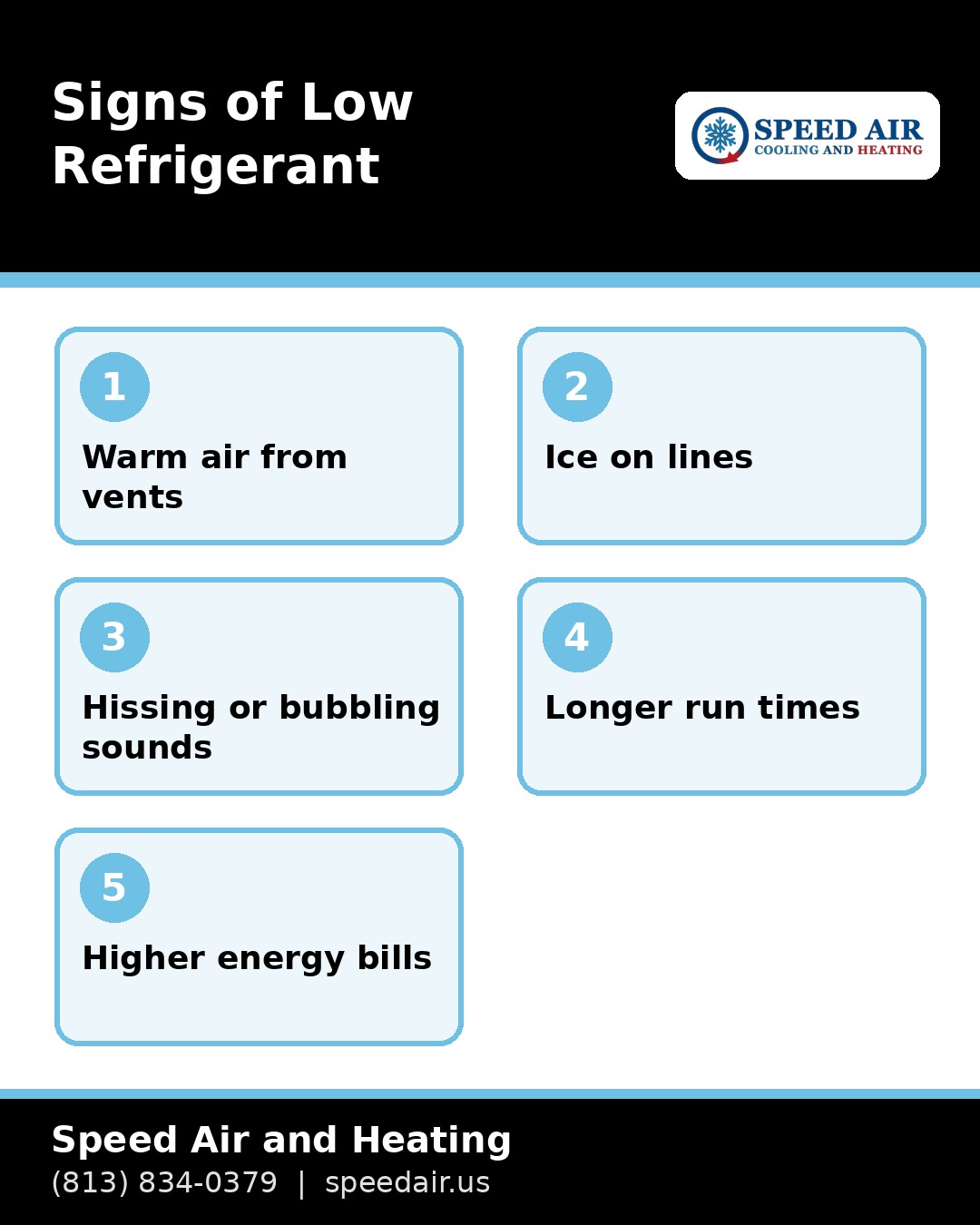
- Warm or weak air from the vents
- Ice on the refrigerant lines or coil
- Hissing or bubbling sounds
- The system running longer than usual
- Rising energy bills
- Higher indoor humidity
Ready to experience the Speed Air difference?
Licensed, insured, and available 24/7 across Tampa Bay.
Why Adding Refrigerant Is Not a Fix
Adding refrigerant without fixing the leak is only a short-term answer. The new refrigerant will leak out too. Over time, running low can strain the compressor and lead to bigger repairs. A proper repair starts with finding the leak.
How Technicians Find Leaks
Technicians use several tools to find leaks. These may include electronic leak detectors, bubble solutions, UV dye and pressure tests. Once the leak is found, the tech can recommend a repair, such as fixing a joint or replacing a coil.
Who Can Handle Refrigerant
EPA rules say anyone who works with refrigerant needs certification under Section 608 of the Clean Air Act. Venting refrigerant into the air on purpose is against the rules, so it pays to hire a qualified HVAC pro.
The R-22 Issue
Older systems may use R-22 refrigerant. The EPA ended production and import of R-22 in 2020, so supplies are limited. If an R-22 system has a major leak, replacing the system may be the more practical choice.
Newer Refrigerants
Many systems installed in recent years use R-410A. Starting in 2025, new residential systems began moving to newer refrigerants with lower global warming potential, such as R-454B and R-32. Your technician can tell you which type your system uses.
Leak Repair or Replacement?
Repair often makes sense when the system is newer and the leak is easy to reach. Replacement may be better when:
- The system is old.
- The leak is in a major coil.
- The system uses R-22.
- The same leaks keep returning.
Ready to experience the Speed Air difference?
Licensed, insured, and available 24/7 across Tampa Bay.
How Humidity Is Affected
A lot of Florida homeowners notice a refrigerant problem first as stickier air, not warmer air. With a low charge, the evaporator coil may not reach the temperature it needs to pull moisture out, so rooms can feel damp or clammy even when the system runs for hours. That extra moisture can also lead to musty smells and mold, which is another reason to deal with a leak early rather than wait for the cooling to quit.
Protecting Your System Long Term
Regular maintenance gives a technician the chance to spot small problems before they turn into major leaks. During a tune-up, the tech can check system pressures, inspect visible joints and coils, clean the outdoor unit and look for oily spots that may signal a slow leak. Keeping the outdoor coil clean and rinsing away salt deposits in coastal areas can also help reduce corrosion over time.
Keep Records of Service
Hold on to every service invoice, and write down each time refrigerant was added and how much went in. That history helps your technician spot a slow leak, and it makes the repair-or-replace choice easier down the road.
Know Your Warranty
Plenty of systems come with a parts warranty, and some of those cover leaking coils. Look through your paperwork and ask your tech whether the repair might be covered.
Simple Habits That Help Your AC
Small habits make a big difference. They are easy to keep up.
- Check your air filter every month.
- Replace it when it looks dirty.
- Keep supply vents open.
- Keep return vents clear.
- Trim plants back from the outdoor unit.
- Keep grass and leaves off the unit.
- Pour a little vinegar in the drain line, if your tech approves.
- Book a tune-up once a year.
- Keep an eye on your power bill for sudden jumps.
- Call a pro if something seems wrong.
When to Call a Technician
Some problems need a trained tech. Call for help if you notice:
- Warm air from the vents
- Ice on the lines or unit
- Water pooling near the indoor unit
- Loud grinding or squealing
- A burning smell
- The breaker tripping again and again
- These signs can point to bigger issues. Acting early can prevent more damage.
In Short
An AC does not use up refrigerant. If it is low, there is likely a leak. Have a certified technician find and fix it, rather than just adding more.
How Speed Air and Heating Can Help
Speed Air and Heating is a licensed HVAC company (Lic# CAC1822334) based at 7000 Bryan Dairy Rd, Unit A5, in Largo, Florida. The team provides AC repair, AC installation, AC maintenance, mini split installation and repair, and commercial HVAC service across the Tampa Bay area, with 24/7 emergency service. Contact us at (813) 834-0379 or visit Speed Air and Heating to request a free quote.
Frequently Asked Questions
Q: Does AC refrigerant need to be topped off every year?
A: No. A system that is working the way it should does not need regular top-offs.
Q: Can low refrigerant damage my AC?
A: Yes. It can strain the compressor and cause the coil to freeze.
Q: Can Speed Air and Heating find refrigerant leaks?
A: Yes. Speed Air and Heating provides AC repair across Tampa Bay.